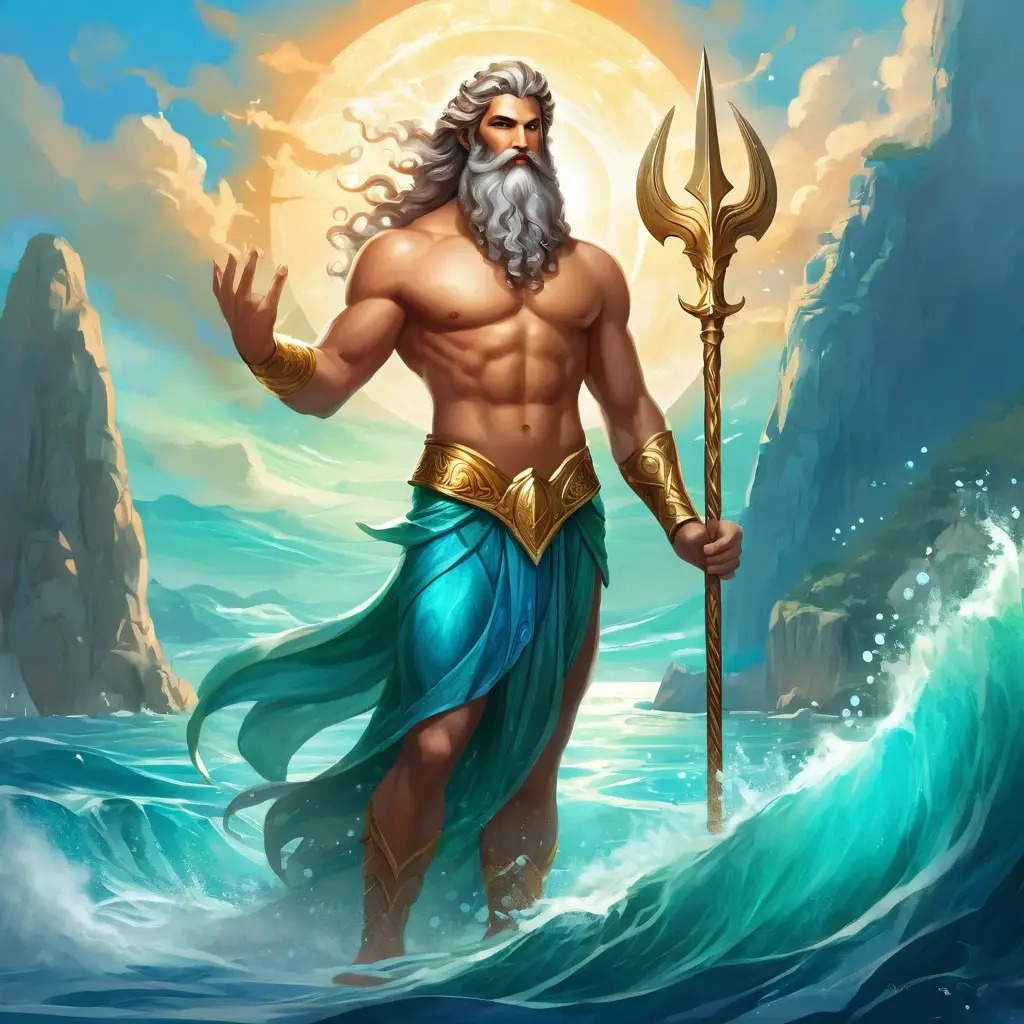
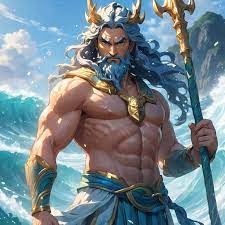
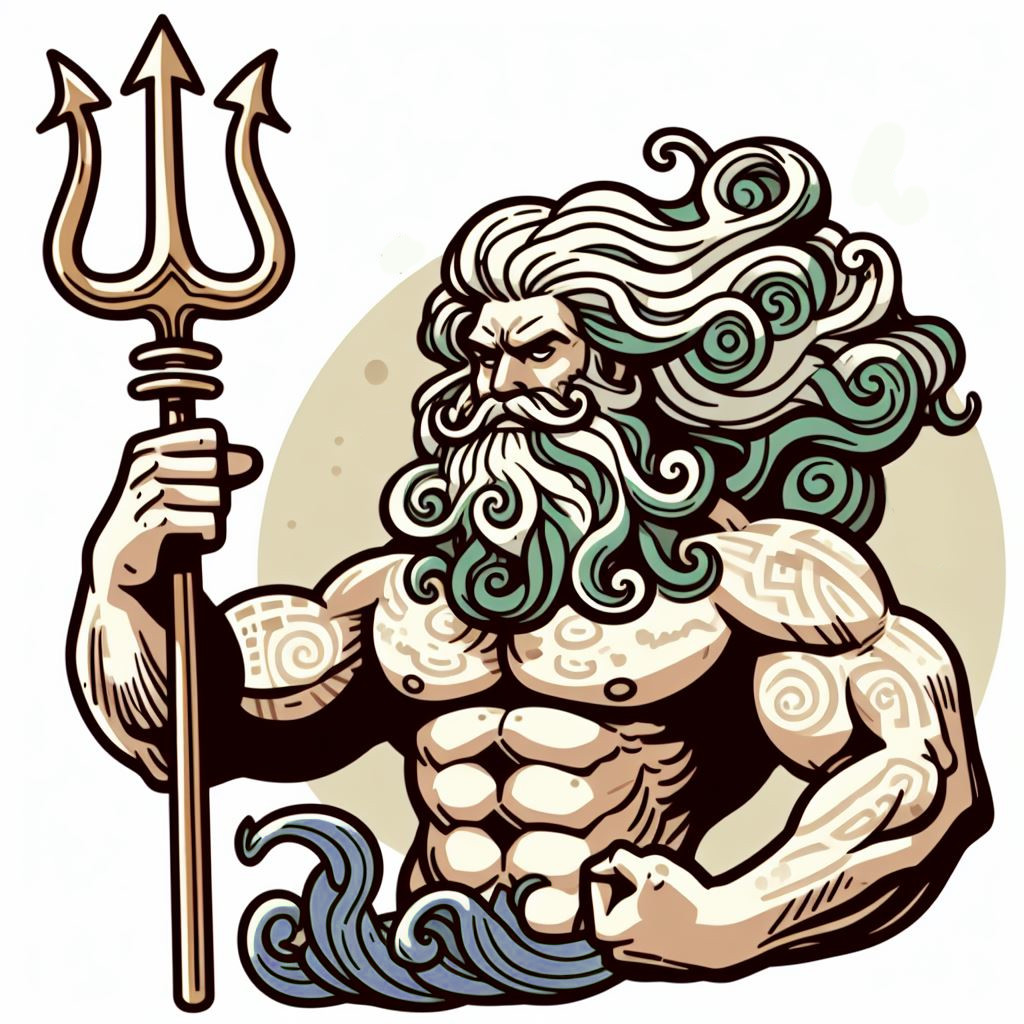
Poseidon is the divine personification of the sea, oceans, waves, marine power and navigation.
He carries the peaceful beauty of clear water and the immense physical strength moving beneath its surface. His energy can be calm, refreshing, and restorative, but it can also become intense enough to move coastlines and create enormous waves and currents.
Poseidon is also known as Neptune, or Neptuno in Spanish.
Cosmic energy
Before his personification, Poseidon is the cosmic energy of the sea and the tremendous power held within water.
He is present through:
oceans and seas
waves and currents
beaches and coastlines
islands
marine life
sailing and navigation
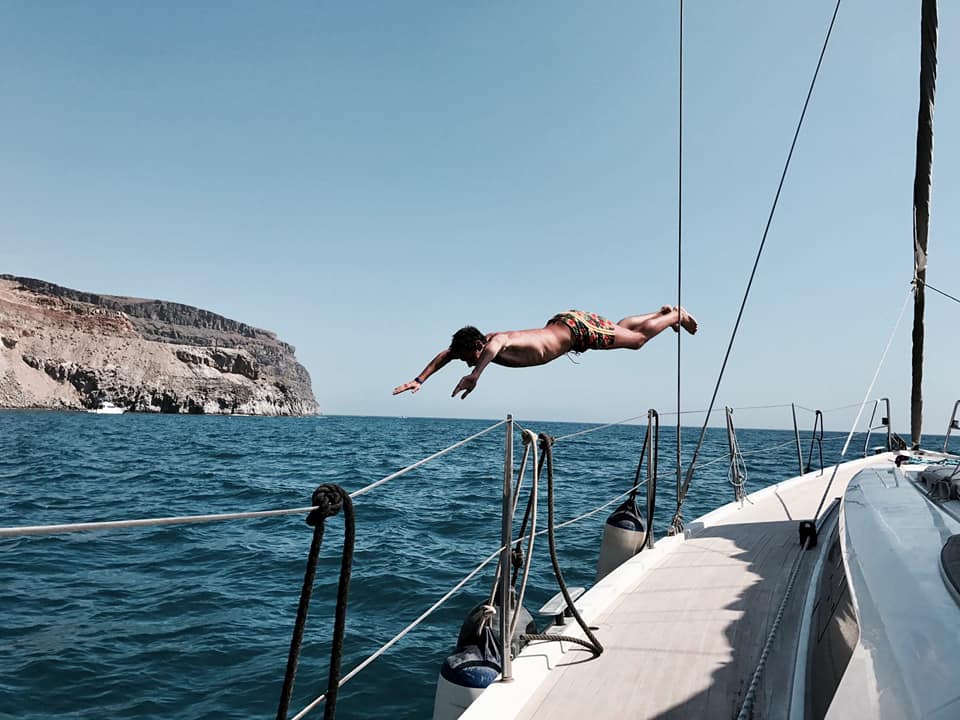
swimming and diving
boats and ships
sea travel
ocean storms
earthquakes
horses
the emotional and intuitive depths represented by water
Poseidon gives Earth much of its blue appearance and makes it a planet of beaches, islands, coastal cities, marine landscapes, and extraordinary aquatic life.
His presence is one of the clearest reasons Earth can be recognized as a Paradise planet.
The sea
The sea is one of the greatest physical expressions of Paradise.
It creates beaches, cliffs, islands, bays, lagoons, ports, and coastal landscapes. It reflects light, changes color throughout the day, and produces a constant natural movement through waves and currents.
People naturally travel toward the sea to relax, swim, sail, socialize, play, eat, drink, watch the sunset, or simply experience the view.
The sea can create bliss without needing to perform anything complicated. A person can sit beside it, listen to the waves, feel the breeze, and gradually enter a calmer state of mind.
This is the peaceful expression of Poseidon.
The power beneath the surface
The calm surface of the sea contains enormous movement.
Currents travel across the planet. Tides reshape coastlines. Waves carry energy across great distances. Entire ecosystems live beneath waters that may appear completely still from above.
Poseidon represents this hidden strength.
His power does not always need to be visible to be present. The sea can look peaceful while carrying a force capable of moving ships, shaping stone, and transforming landscapes over time.
Poseidon reminds humanity that calmness and strength can exist together.
Beaches and islands
Beaches are among the most pleasurable territories of Poseidon.
The combination of sea, sand, sunlight, fresh air, and open space creates a natural setting for relaxation, pleasure, movement, and social life. People can swim, play, build in the sand, eat, drink, meet others, or simply enjoy doing nothing.
Islands intensify his presence. They are lands completely surrounded by his waters, often developing distinctive cultures, architecture, food, nightlife, and ways of living.
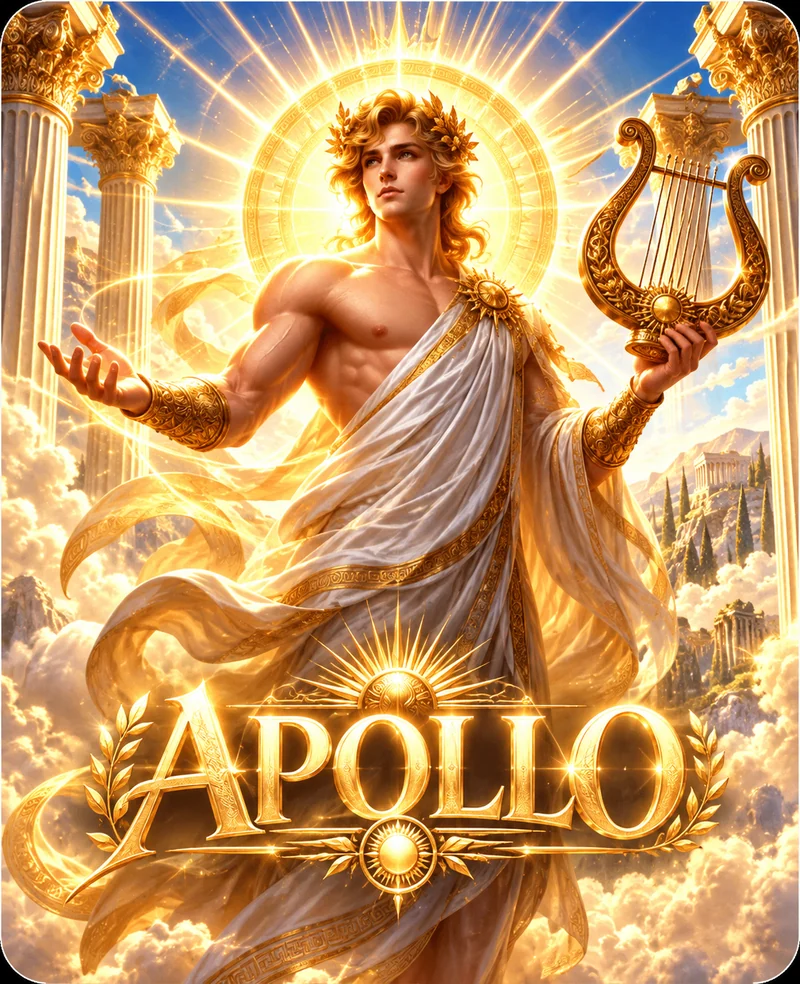
Destinations such as Ibiza, Mykonos, the Canary Islands, and many other island realms combine the energies of Poseidon with Apollo’s daytime brilliance and Dionysos’s nighttime celebration.
Poseidon provides the sea that connects them all.
Navigation and travel
Poseidon governs movement across water.
For much of human history, seas were not barriers but pathways connecting cities, islands, civilizations, goods, ideas, and people. Ships allowed cultures to meet and the world to become larger.
His energy continues through:
sailing
ferries
cruise ships
cargo ships
yachts
ports and marinas
coastal transportation
ocean exploration
journeys between islands
Travelers and sailors traditionally called upon Poseidon for calm seas, favorable passage, and safe arrival.
Even today, every voyage across the water enters his territory.
Marine life
Poseidon presides over the immense world of life within the oceans.
Fish, dolphins, whales, coral, turtles, seahorses, and countless other species inhabit a world that remains partly mysterious to humanity.
The ocean contains landscapes of its own: reefs, underwater mountains, valleys, caves, plains, and ecosystems existing far beyond ordinary human sight.
Poseidon protects the mystery, beauty, and variety of this aquatic world.
Dolphins are especially connected with his more peaceful and friendly expression. Their intelligence, playfulness, movement, and natural relationship with the sea make them fitting companions to his energy.
Storms at sea
Poseidon governs the movement of the sea during storms: the rising waves, powerful currents, surges, and physical force of water.
An ocean storm can involve several divine jurisdictions working together.
Poseidon moves the sea and its waves. Zeus brings lightning, and electricity.
Their powers can meet within the same event without becoming the same cosmic energy.
Poseidon’s role is the water itself, its movement, depth, pressure, and immense force.
The trident
The trident is the principal symbol of Poseidon.
Its three points create an image that is simple, regal, and immediately recognizable. Through the trident, Poseidon can direct the waters, calm waves, stir currents, open springs, or release the force beneath the Earth.
It represents:
the power of the sea
direction and command
strength
protection
navigation
control of water
the force of earthquakes
the three-dimensional depth of his aquatic world
Within Paradise, the trident is the physical sign of Poseidon’s presence.
Other symbols
The dolphin
The dolphin represents intelligence, playfulness, friendship, movement, and the peaceful sea.
The horse
The horse represents strength, speed, freedom, beauty, and natural power.
The bull
The bull represents physical force, endurance, and the intense energy of Poseidon.
The ship
The ship represents navigation, exploration, travel, trade, and humanity’s relationship with the sea.
Blue and turquoise
Blue and turquoise represent clear water, marine depth, tropical seas, peace, and the extraordinary colors of Poseidon’s world.
Origins and family
Poseidon is the son of Cronus and Rhea.
He emerged as the great divine presence of seas, water, earthquakes, horses, and navigation.
Poseidon has been honored throughout coastal cities and island communities. Important centers connected with him included the sanctuary at Isthmia near Corinth and the Temple of Poseidon at Cape Sounion, whose columns continue to overlook the sea. The Isthmian Games were also celebrated in his honor.
His traditional symbols include the trident, horse, bull, and dolphin.
Neptune in astrology
In astrology, Neptune represents intuition, imagination, spirituality, dreams, compassion, creativity, idealism, mystery, and the subconscious.
Its energy moves beneath ordinary awareness, much like the deep ocean beneath its visible surface. Neptune is connected with feelings, impressions, symbols, visions, and forms of understanding that cannot always be explained through logic alone.
Neptune can inspire:
artistic imagination
music and cinema
spiritual sensitivity
intuitive understanding
compassion
dreamlike experiences
meditation
creative visualization
connection with divine mystery
perception beyond the immediately visible
Neptune is connected with Pisces, the sign of intuition, sensitivity, imagination, spirituality, and emotional depth.
Its placement within an astrological chart can indicate where someone experiences inspiration, mystery, idealism, and the desire to move beyond purely material concerns.
Neptune and the inner world
The ocean is often used as a symbol of the subconscious because only its surface is immediately visible.
Beneath that surface exist memories, emotions, dreams, intuitions, desires, and impressions that may influence life before they are consciously understood.
Neptune guides exploration of this inner depth.
Its energy can make art feel transcendent, music feel otherworldly, and dreams feel filled with meaning. It encourages people to listen to subtle impressions and recognize that reality contains more than what can be measured through the physical senses.
Neptune connects the individual with the deeper mystery of existence without removing their personal identity.
Poseidon today
Modern Hellenists continue to honor him consciously as a living god. His cosmic energy is also experienced every day by swimmers, sailors, surfers, divers, travelers, fishermen, coastal communities, and everyone who feels naturally restored by the sea.
People continue traveling to beaches, purchasing homes with ocean views, building marinas, sailing between islands, and gathering beside the water.
Protecting oceans, beaches, and marine life is another way of respecting his physical realm and preserving its beauty for the future.
The relationship between humanity and Poseidon never ended. It remains visible wherever land meets water.
Poseidon in Paradise
Within Paradise, Poseidon carries the sea, beaches, islands, marine life, navigation, earthquakes, horses, and the deep cosmic energy of water.
He gives Earth an immense aquatic world filled with beauty, movement, pleasure, mystery, and life. His seas connect civilizations, create extraordinary destinations, and offer one of the most natural environments in which to experience relaxation and bliss.
Poseidon is present in the first view of the ocean, the movement of a wave, the arrival of a ship, the freedom of a horse, and the powerful vibration moving beneath the Earth.
He is peaceful depth and tremendous force existing together.
Poseidon is the sea given consciousness, and the blue power that helps make Earth Paradise.